
From Friction to Flow: Applying the DISC Model to Build High-Trust Teams
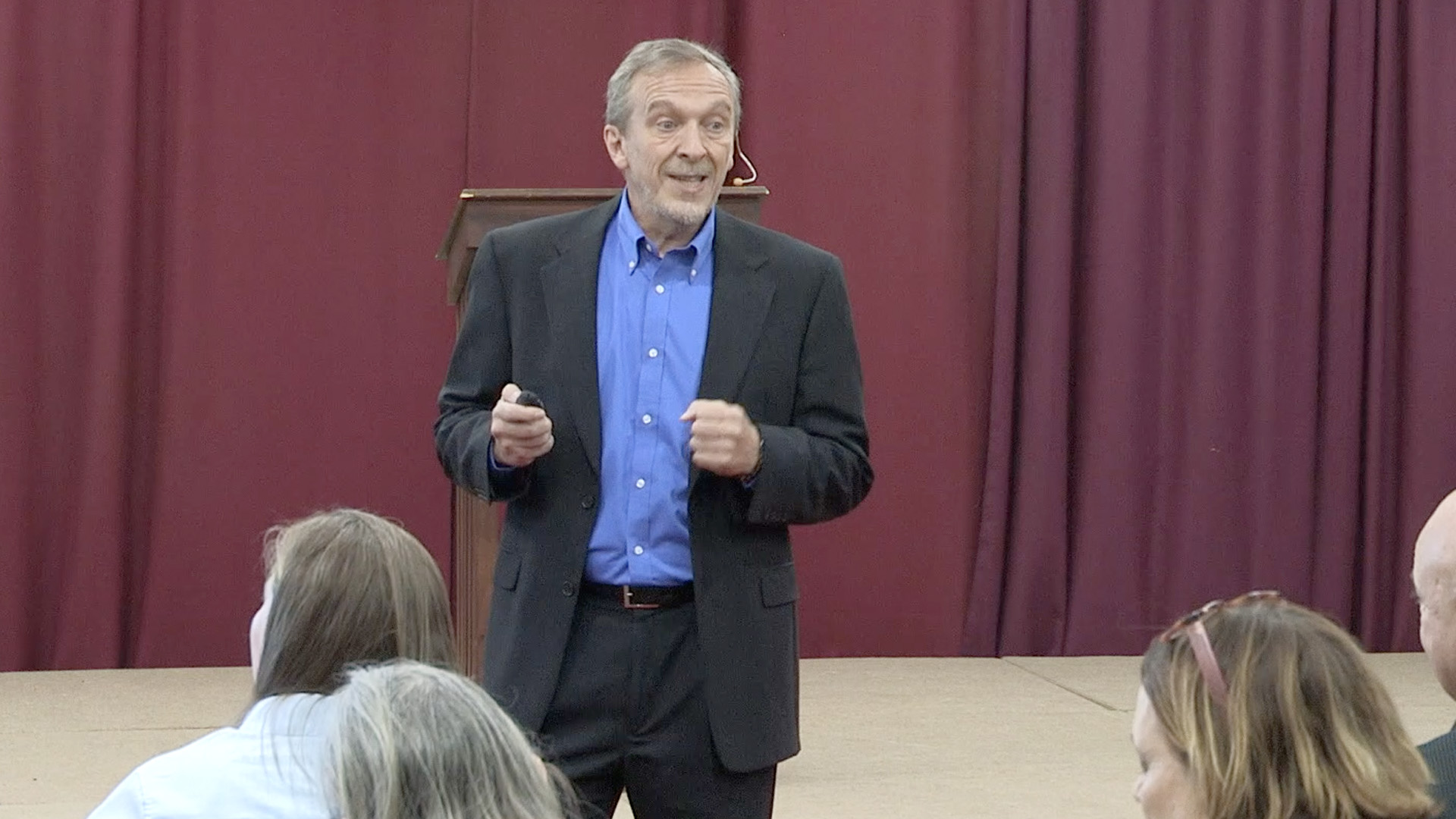
By By E.G. Sebastian,Organizational Performance Expert
Years ago, before I understood communication and behavioral styles, I often felt like I was on a battlefield – both at home and at work. At home, out of love, I put up with what I perceived as difficult behaviors. At work, however, it was a daily challenge. Every team meeting felt like walking into a minefield. Sophia, our meticulous analyst, was constantly frustrated by Marco’s “shoot from the hip, make-it-up-as-you-go” approach. Aisha, who needed time to process information, felt steamrolled by the rapid-fire decisions of other team members. Meanwhile, several members of the sales team were frustrated by the delays caused by Sophia and Aisha’s cautious approach to everything. I remember sitting there thinking, These are all brilliant people – why can’t they just work together?
Sound familiar?
After years of being in the dark about behavioral and communication styles, I finally attended a four-hour workshop based on the DISC Model that was a complete eye-opener (in later years, I’d attend multiple full-day workshops, further anchoring my learning). I realized that what I had been interpreting as personality conflicts were actually just different communication styles clashing. It was almost as if each person spoke a different language and was trying to communicate without considering the others’ way of receiving information. The problem wasn’t who my team members were – it was how they were trying to connect with each other.
The Uncomfortable Truth About Communication Style Conflict
In my 30+ years of leadership, I’ve seen countless teams label each other with unhelpful terms:
Here’s the exciting news: roughly 80% of what we perceive as “difficult personalities” or clashing DISC personality types are actually just different communication preferences—misunderstood and mistranslated. These four main DISC styles are simply different ways of seeing the world. Most people simply don’t realize that each DISC style comes with specific strengths that – when recognized – can benefit the entire team.
That was our reality. Projects stalled in endless circular discussions. Talented people checked out and instead of contributing their best ideas, team members tiptoed around one another, afraid of saying the wrong thing. Or worse, minor tensions would spiral into full-blown conflicts.
The Turning Point: Finding a Common Language
Our breakthrough came through the DiSC assessment.*. We brought the entire team together for a full-day, hands-on workshop that introduced a practical framework for understanding each other’s communication needs.
* “DiSC®” with a lower case “i” is a registered trademark by Wiley & Sons, the publisher of the most trusted Everything DiSC® profiles and facilitator kits.
The DiSC behavioral model is a powerful tool for understanding human behavior. It categorizes observable behavior into four distinct quadrants. While people are complex, these four main behavioral styles provide a predictable framework for understanding how we prefer to interact. This isn’t about labeling; it’s about learning to adapt our communication to connect more effectively with each DISC style.
D (Dominance)
Direct, results-focused communicators who focus on facts, efficiency, and getting things done. They thrive on challenges, make quick decisions, and enjoy being in control
I (Influence)
Enthusiastic, energetic, and people-oriented communicators who value connection and the big picture. These types tend to be optimistic and excel at building relationships. They tend to be enthusiastic and inspiring.
S (Steadiness)
Supportive, calm, and process-oriented communicators who value stability, harmony, and teamwork. They are patient listeners, loyal colleagues, and dependable team members.
C (Conscientiousness)
Detail-oriented, analytical, accuracy-focused communicators who value precision, quality, and logic. They strive for excellence and are driven by a desire to get things right.
What happened next transformed our team dynamics completely.
Solving the Matrix: Understanding People Through DiSC
Discovering the dynamics of DISC behavioral and communication styles was truly life-changing for me. Yes, it helped me understand and accept myself, realizing I was perfectly fine just as I am. But the real breakthrough was seeing those around me through a new lens. I finally understood my wife, my children, and my team on a deeper level. That understanding allowed me to communicate better, reduce stress, and build stronger, more loving relationships. It helped me become a better father, a better husband, and a better leader.
The impact of that training was so profound that I became certified DiSC® Trainer/Facilitate, wanting to share this powerful, positive transformation with as many people as possible.
Learning about the DISC model felt like flipping on a light in a dark room – almost like that moment in The Matrix when Neo suddenly sees everything in code. The confusion, frustration, and emotional charge disappeared. There were no more “difficult people” – just D, I, S, and C styles, doing what they were wired to do. Clear communication tendencies. Preferences. Predictable behaviors. Once I saw it that way, nothing was personal anymore – it was just “code” I could usually* clearly read.
* Important: Very few people are purely D, I, S, or C. Most of us are a blend of two or three styles, with one typically being dominant. That dominant style usually shines through in how we communicate and make decisions. Occasionally, however, you’ll meet someone whose style isn’t immediately obvious – they seem to easily blend in with any style. These individuals can be harder to “read,” which often also means they’re more adaptable and capable of flexing their communication to match different styles with ease.
Communication Skills Magic book – Improve your relationships & productivity through better understanding your personality style and the personality styles of those around you
A few years later, I wrote Communication Skills Magic – a fun, easy-to-read book filled with case studies, illustrations, dozens of cheat sheets, and practical examples. It quickly became a favorite resource for hundreds of DiSC trainers around the world and has even been adopted by a few colleges in the U.S. and Canada for use in their courses. Building on that momentum, I’ve spent the past two decades sharing DISC insights through workshops and keynote presentations with more than 500 audiences.
Applications: How to Use the DISC Model to Improve Leadership Skills
Real Results: When Teams Start “Speaking DISC”
One of my clients, a tech startup, was struggling with constant friction between their product and engineering teams. Their standups had become battlegrounds.
After mapping their DISC profile results, patterns emerged immediately
The product team was heavily “I” and “D” focused – they communicated with enthusiasm and wanted quick decisions. The engineering team skewed heavily “C” and a few “S” styles – they needed details and time to process changes.
Both teams were speaking different “languages,” while believing they were being perfectly clear and “reasonable.”
After the team completed the DISC assessment, I provided them with a series of workshops., and within three weeks of implementing DiSC-based communication strategies, their velocity increased by around 30%. Not because they worked more hours, but because they stopped wasting energy on misunderstandings.
Practical DISC Strategies That Create Flow
Based on my experience implementing DiSC with more than a hundred teams, I’ve found that the key to success is learning to recognize the unique DISC communication styles of your team. Effective leaders must adapt their leadership style and adapt their communication to fit the needs of the moment.
Here are 4 DISC-based tips for communicating and practical strategies that will help you implement this:
1. Create communication agreements
Encourage team members to share how they prefer to receive information and agree as a team to honor each other’s communication styles. Understanding individual preferences is key to creating a more efficient and harmonious work environment. Some organizations even use small plaques on office doors or desks to signal each person’s preferred communication approach.
Here are some examples some organizations use:
D-style: “Give me the bottom line first, then details if I ask. Be direct, efficient, and avoid small talk or sugar-coating.”
I-style: “Let’s discuss ideas together before making a decision. I value energy, enthusiasm, humor, and two-way conversation.”
S-style: “Give me time to process before expecting a response. I appreciate a calm, friendly, steady approach and clear next steps.”
C-style: “Provide complete information with supporting data and a logical rationale. I prefer written communication I can review carefully, and I value clarity and precision over stories or small talk.”
I recently had the opportunity to visit one of the Coca-Cola’s bottling plants and mentioned that I’d love to deliver a DiSC® training for their teams. They shared that they already have a similar communication style training in place and even have their own in-house trainer. In fact, they consider it an invaluable part of their team culture.
As part of the visit, they took me on a tour specifically to show how they’ve implemented the training across departments. Every employee had a beautifully designed plaque on their door titled “When you talk to me…” – a practical, personalized short “guide” help team members understand others and communicate with each DiSC style more effectively. It was a powerful example of how intentional communication can be woven into the everyday fabric of a workplace.
2. Translation techniques
Teach team members to “translate” across styles:
Example: When a C-style sends a detailed 3-page analysis, the team lead now creates a quick summary highlighting: “Key Finding, Implication, Recommended Action” for D- and I-styles who need the bottom line.
Likewise, when an I-style team member sends a brief that’s high-level and enthusiastic but light on specifics, a teammate or supervisor can request more details to help clarifying key details, next steps, and timelines to support S- and C-styles, who prefer more structure and clarity.
3. Style-flexing during meetings
Encourage team members to adapt their communication style to fit the room. Effective leaders can adapt their leadership style specifically to ensure everyone feels heard. The goal is to adjust your style to match the needs of others, rather than forcing them to adjust to you.
For example:
This intentional style-flexing keeps meetings balanced, productive, and inclusive, preventing dominant styles from unintentionally sidelining quieter voices.
4. Conflict prevention check-ins
Integrate regular check-ins where teams reflect on how communication is flowing.
Ask:
This creates a safe space for small tensions to surface early and for adjustments to be made before conflicts escalate. Some teams build this into their weekly or monthly meetings, or as part of project debriefs. It reinforces the idea that communication dynamics are an ongoing, shared responsibility.
5. DiSC-informed delegation
When assigning tasks, consider each team member’s DiSC style to set them up for success:
Matching tasks to natural strengths not only boosts productivity but also strengthens engagement and satisfaction.
6. DiSC-guided feedback techniques
Tailor how you give feedback so it lands effectively with each style:
Intentional feedback delivery reduces defensiveness and helps each style grow.
7. Visual Aids, Reminders, and Digital Tools
Use visual tools — such as charts, posters, or digital dashboards — that summarize DiSC styles and offer quick tips for interacting with each. This keeps style awareness high and reinforces best practices. One powerful resource many teams use is the DiSC® on Catalyst™ platform.
Catalyst provides a dynamic, always-accessible space where team members can:
With both visual reminders and tools like Catalyst, DiSC principles become part of your team’s daily rhythm, helping foster a more adaptive, collaborative, and high-performing culture.
When Teams Finally See Each Other: The Power of DiSC Awareness
What surprised me most with the teams I worked with, wasn’t just the efficiency gains, but the human impact:
As one team member told me: “For the first time, I don’t have to pretend to be someone else at work. I can communicate my way, and people get it.”
Where Can You Start?
If your team is experiencing friction, it might not be about personality clashes or “difficult” people – chances are, they’re simply speaking different communication languages.
The DISC model is more than just a theory; it is a practical map. When you learn to use these styles effectively, you avoid misunderstandings, improve collaboration, and shift your team dynamic from disengagement into collaborative flow.
What’s the biggest communication challenge your team is facing right now? Send me a DM or drop it in the comments – I’d be happy to suggest a few DiSC-based (or non-DiSC-based) strategies that might help.


0 Comments